


Employees today have an endless array of options when it comes to what companies they can work for, where they do their work and how they get their work done. The steep rise of remote and hybrid work arrangements is a good thing for employees and organizations alike as it has the potential to allow for flexibility in the working day, increased productivity, and improved employee wellbeing. However, remote and hybrid working comes with an increased risk that employees will feel isolated and disengaged from their work.
Even before the increase in flexible working styles, employee engagement has long been a focus of team leaders. According to Gallup, 64% of employees are disengaged in the workplace. Given that businesses with higher employee engagement tend to be more profitable and productive, your organization simply can’t afford to allow employees to be disengaged and despondent about their role.
What is employee engagement?
Employee engagement can be defined as how invested a team member is – emotionally and intellectually – in the organization and its goals. While it’s possible to do a job without feeling very engaged, it’s unlikely that this will result in high-quality and timely work. Additionally, unengaged employees are more likely to burn out and leave the organization.
It’s no secret that employee turnover costs US companies millions each year – and that’s not to mention the time costs. Between searching for new talent, going through the hiring process, and onboarding the new hires, turnover is expensive. Even for those who don’t quit as a result of being disengaged, the cost is high. According to The Conference Board, just one disengaged employee costs a company around $3,400 per $10,000 in salary in lost productivity.
Managers should be motivated to work with their teams to increase employee engagement given the many benefits including:
- Improved customer service
- Better attendance at work
- Increased productivity
- Fewer errors in work outputs

The rise of remote and hybrid work in the last few years has only increased awareness of how important it is for employees to feel connected and valued and for communication between managers and their teams to be finely tuned. As a result, we know now more than ever that managers play a leading role in ensuring that employees are engaged with their work.
Gaining engagement through effective performance objectives
Whether you’re managing employees in a remote, hybrid, or traditional work arrangement, gaining engagement is crucial to keeping employees productive and happy. Luckily, there’s an easy way to earn this engagement – through developing effective performance objectives alongside your team members.
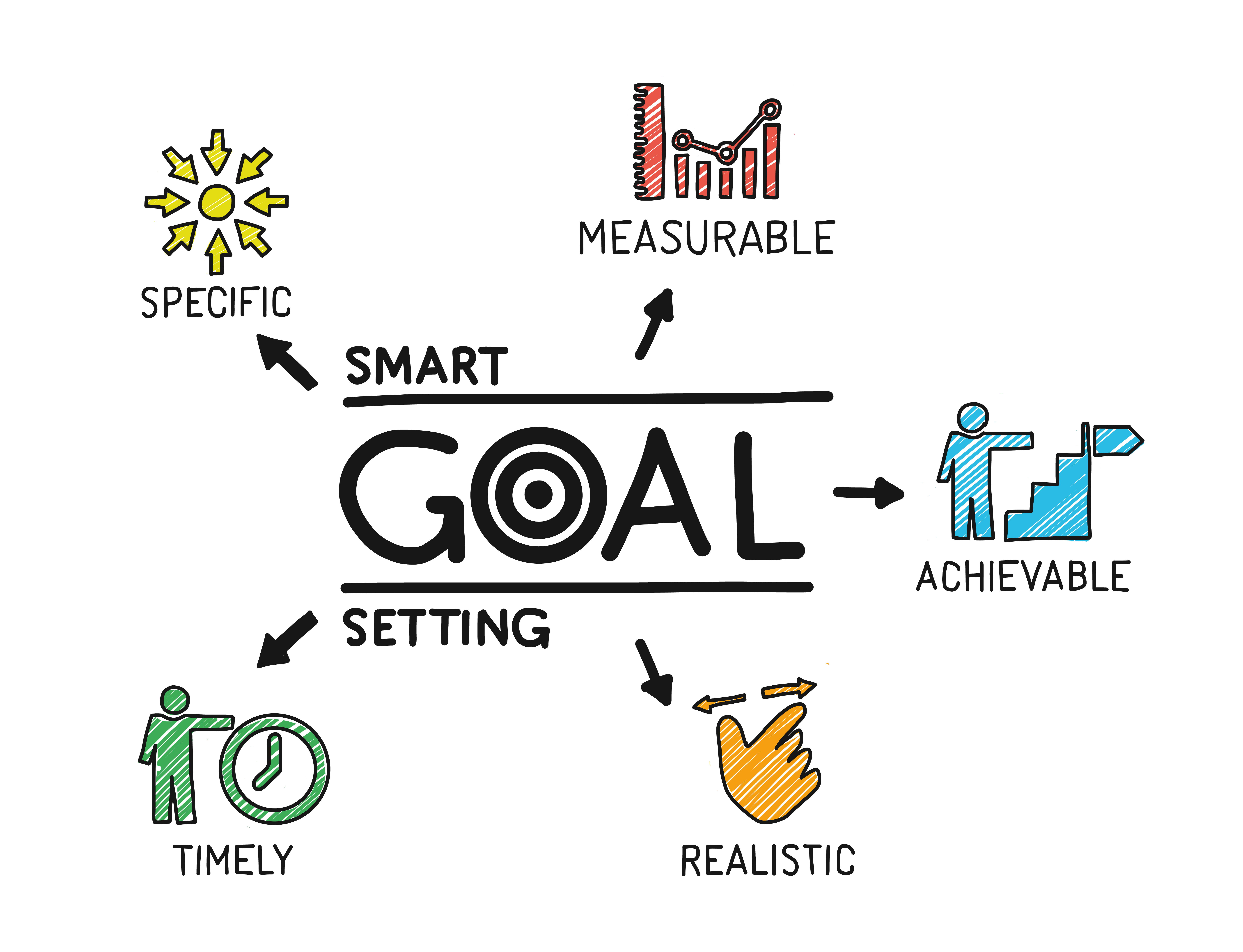
Performance objectives are goals or outcomes which an employee agrees to accomplish that will contribute to the success of the organization. Performance objectives can look many different ways, but they should always be expressed using the mnemonic SMART which stands for:
- Specific
- Measurable
- Agreed upon
- Reality-based
- Time-bounded
However, the degree to which the objectives are any of those things is entirely up to what is best for you and your team members. The most important thing about objectives is that they are achieved!
Developing excellent performance objectives will help to increase engagement from your team members because it allows employees to clearly understand what they need to be doing, how they should do it, and, perhaps most importantly, WHY they’re doing it. When team members don’t understand the point of the work they’re doing, they’re less likely to care about how well they do at it – or if they do the work at all.
Performance objectives help to support both intellectual and emotional engagement. By involving your employees in developing these performance objectives, you help earn intellectual engagement. This is because when the employee has contributed their thoughts and ideas to the conversation, they feel more committed to the outcome.
You can earn emotional engagement from employees by ensuring that the performance objectives that you develop with them are aligned with their values and personal strengths. The key here is matching objectives to the right team member. Play to the employee’s strengths and develop performance objectives that are achievable for that individual. In return, they’ll feel valued, and they’re more likely to care about reaching that objective.
To learn about what exactly constitutes a performance objective and how to work with your employees to develop them, contact a ServiceSkills representative today and request a free demo of ‘Setting Performance Objectives That Work.’
Ready to schedule time with us?
Choose the date and time that works for you and we'll be there! Empower your organization with the tools to:
- Improve Customer Satisfaction Levels
- Elevate Teamwork & Collaboration
- Develop A More Respectful Work Environment